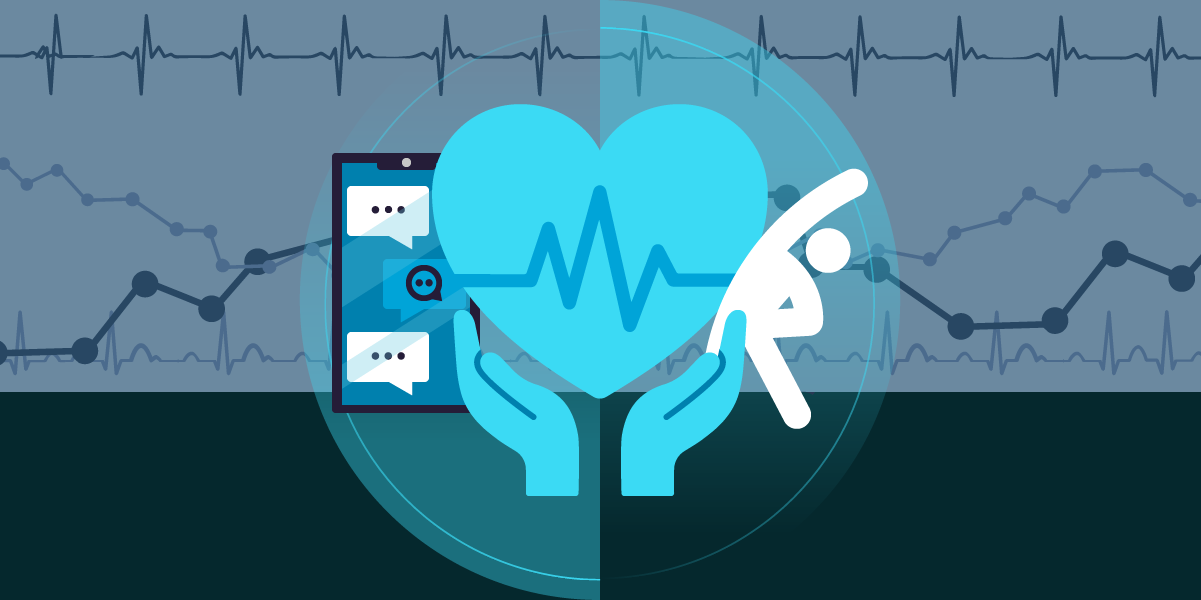
Introduction to Digital Health
Digital health refers to the integration of technology into healthcare to improve patient outcomes, enhance efficiency, and make medical services more accessible. It encompasses telemedicine, wearable devices, mobile health apps, artificial intelligence (AI), and electronic health records (EHRs). By leveraging digital tools, healthcare providers can deliver personalized, data-driven care, while patients gain greater control over their well-being. The COVID-19 pandemic accelerated digital health adoption, proving its potential to revolutionize medicine.
Telemedicine and Remote Care
Telemedicine has emerged as a game-changer, allowing patients to consult doctors via video calls, chatbots, or remote monitoring tools. This is especially beneficial for rural areas with limited healthcare access and for patients with chronic conditions requiring continuous care. Platforms like Teladoc and Amwell enable real-time diagnosis, reducing hospital visits and wait times. Post-pandemic, hybrid care models—combining in-person and virtual visits—are becoming the new standard in healthcare delivery.
Wearable Technology and Health Monitoring
Wearable devices like smartwatches (Apple Watch, Fitbit) and medical-grade sensors track vital signs such as heart rate, blood pressure, and sleep patterns. These devices empower users to monitor their health proactively and share data with physicians for early intervention. Advanced wearables can even detect irregular heartbeats (AFib) or blood oxygen levels, potentially preventing emergencies. As technology improves, wearables will play a bigger role in preventive healthcare.
AI and Big Data in Healthcare
Artificial intelligence is transforming diagnostics, drug discovery, and treatment planning. Machine learning algorithms analyze vast medical datasets to detect diseases (e.g., cancer in radiology scans) faster than human doctors. AI-powered chatbots provide symptom checks, while predictive analytics help hospitals manage resources efficiently. However, challenges like data privacy and algorithmic bias must be addressed to ensure AI’s ethical use in medicine.
Mobile Health (mHealth) Apps
From fitness trackers to mental health apps like Headspace and diabetes management tools like MySugr, mobile health applications put healthcare in the palm of users’ hands. These apps offer medication reminders, virtual therapy sessions, and diet planning, improving patient engagement and adherence. As app capabilities expand, regulators must ensure accuracy and security to prevent misinformation and data breaches.
Electronic Health Records (EHRs) and Interoperability
EHRs digitize patient medical histories, reducing paperwork and improving care coordination. However, interoperability—seamless data exchange between different healthcare systems—remains a challenge. Blockchain technology and standardized protocols aim to enhance data sharing while maintaining patient confidentiality. When fully optimized, EHRs could enable a unified global health database, improving research and treatment outcomes.
Challenges and Risks in Digital Health
Despite its benefits, digital health faces hurdles:
- Data Privacy: Cybersecurity threats and unauthorized access to sensitive health data.
- Regulatory Gaps: Governments struggle to keep pace with rapid tech advancements.
- Health Inequality: Not all populations have equal access to digital tools, widening the care gap.
- Over-reliance on Tech: Misdiagnosis by AI or app errors could harm patients.
Balancing innovation with patient safety is crucial for sustainable growth in digital health.
The Future of Digital Health
The future holds exciting possibilities, including:
- AI-driven personalized medicine based on genetic and lifestyle data.
- Virtual reality (VR) therapy for mental health and rehabilitation.
- Smart implants that adjust medication doses in real time.
- Global health networks enabling real-time disease tracking and prevention.
As digital health evolves, collaboration among tech companies, healthcare providers, and policymakers will ensure it delivers equitable, efficient, and patient-centered care worldwide.
The Digital Health Revolution Begins
We stand at the precipice of a healthcare transformation unlike any in history. Digital health represents the convergence of medicine with cutting-edge technologies including AI, IoT, big data analytics, and mobile computing. This revolution is dismantling traditional healthcare barriers, creating a new paradigm where care is continuous, personalized, and accessible anywhere. From rural clinics to metropolitan hospitals, digital tools are empowering both patients and providers with unprecedented capabilities.
Telemedicine: Breaking Geographical Barriers
The explosive growth of telemedicine has rendered geographical distance irrelevant in healthcare delivery. Advanced platforms now incorporate:
- Real-time high-definition video consultations
- AI-powered symptom checkers
- Remote diagnostic capabilities using connected devices
- Secure messaging for continuous care
Specialists can now guide complex procedures remotely through augmented reality interfaces, while patients in remote areas receive expert care without travel. The Veterans Health Administration reports telemedicine has reduced hospital admissions by 35% among enrolled patients.
The Dawn of Continuous Health Monitoring
Modern wearable devices have evolved far beyond step counting. Today’s clinical-grade wearables offer:
- Continuous ECG monitoring with FDA-cleared arrhythmia detection
- Non-invasive blood glucose tracking
- Advanced sleep stage analysis with breathing pattern monitoring
- Fall detection with automatic emergency alerts
These devices create comprehensive health profiles, enabling preventive medicine by detecting anomalies long before symptoms appear. Clinical studies show wearable users have 40% better medication adherence and 28% fewer emergency visits.